
Humans love to categorize things—Google even intends to categorize everything in the universe. Bonsai is not immune from this human affliction. There are all kinds of names ascribed to how a tree’s trunk grows, whether it leans or tilts, how the branches flow, the characteristics of the trunk, or even the neighbors the tree keeps. Bonsai aficionados call these names the “bonsai styles.” Yet after years of talking with my bonsai, I can assure you the trees could care less about their style—and certainly the name.
But we are human, and if there wasn’t a human involved in bonsai it would simply be a tree. So we are stuck with categorizing things. Every introductory book, webpage, and video about bonsai lists the various styles—formal upright, informal upright, cascade, and so on. Humorously, some enthusiasts will debate ad nauseam about whether a tree is a formal upright or an informal upright. This takes pedantry to a new level—another human affliction the trees don’t share.
What I find interesting, though, is that as the world shrinks through communication and travel, and as different regions adopt trees from their local flora, more and more ways to style a bonsai appear. The banyan style and the flat-top style are two examples that have come into vogue as bonsai has globalized. So let’s forgo the usual styles and take a look at a few less common ones that I personally enjoy. Maybe they can serve as inspiration for your next design project.
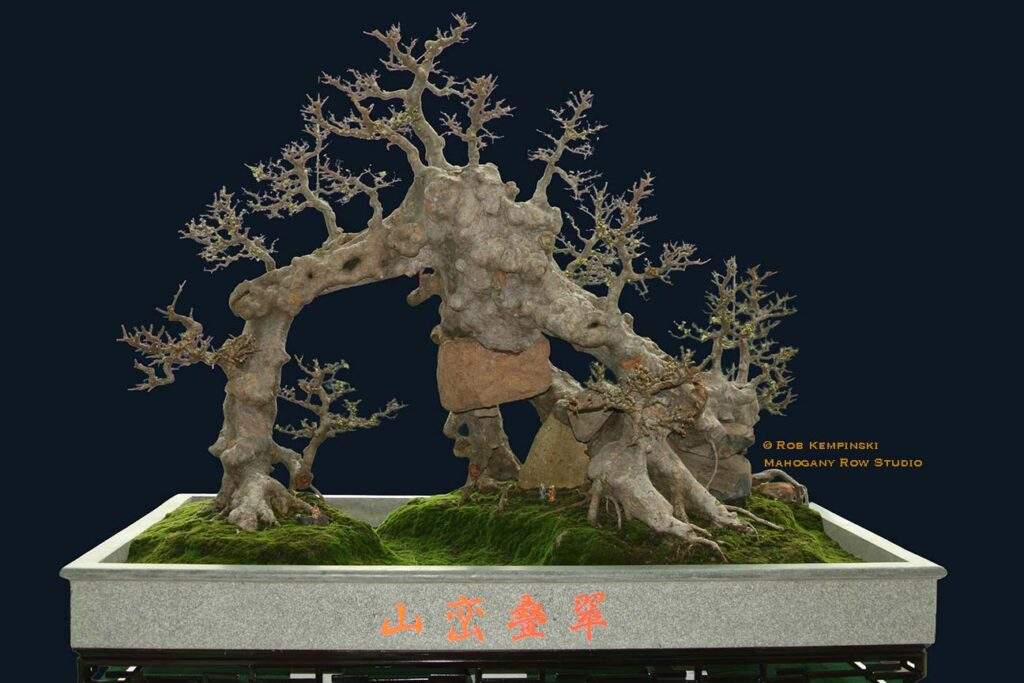
Bridge Style
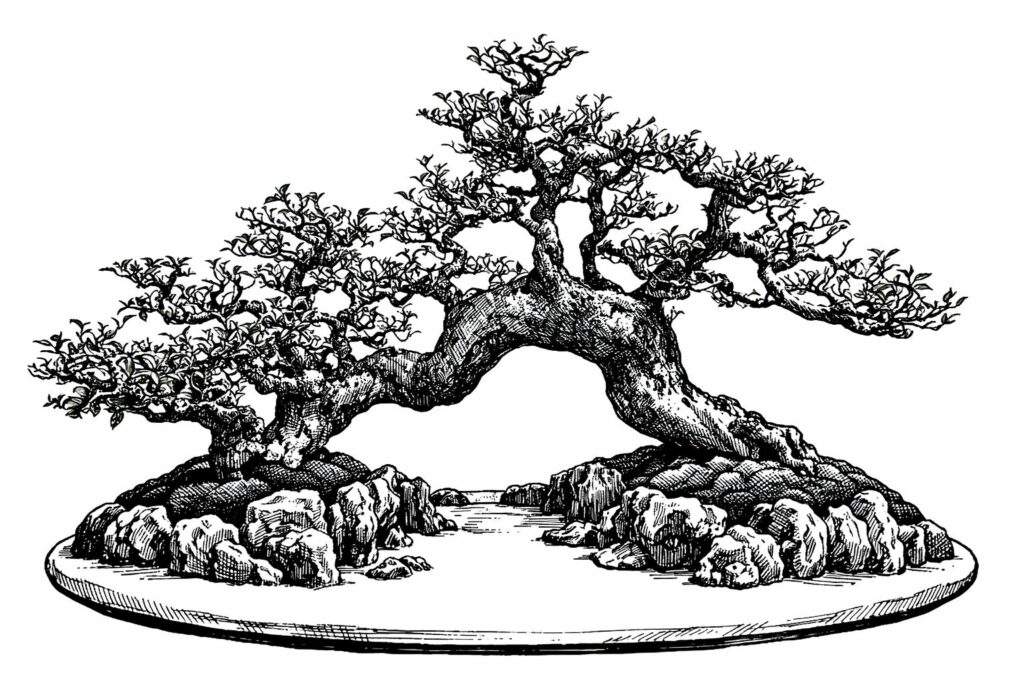
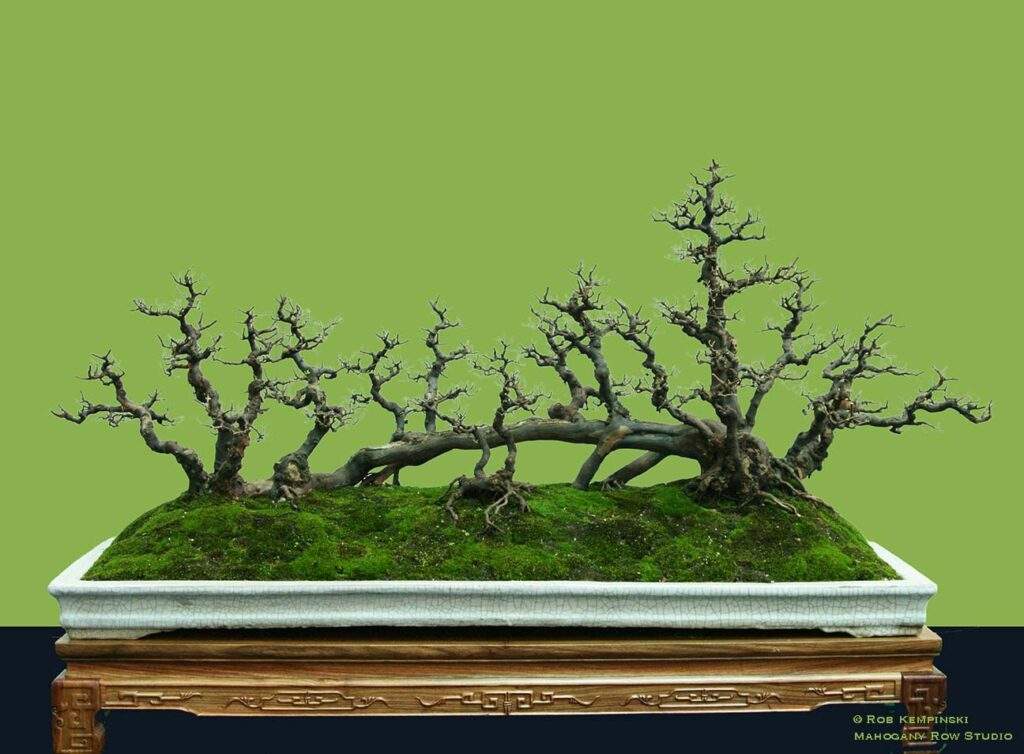
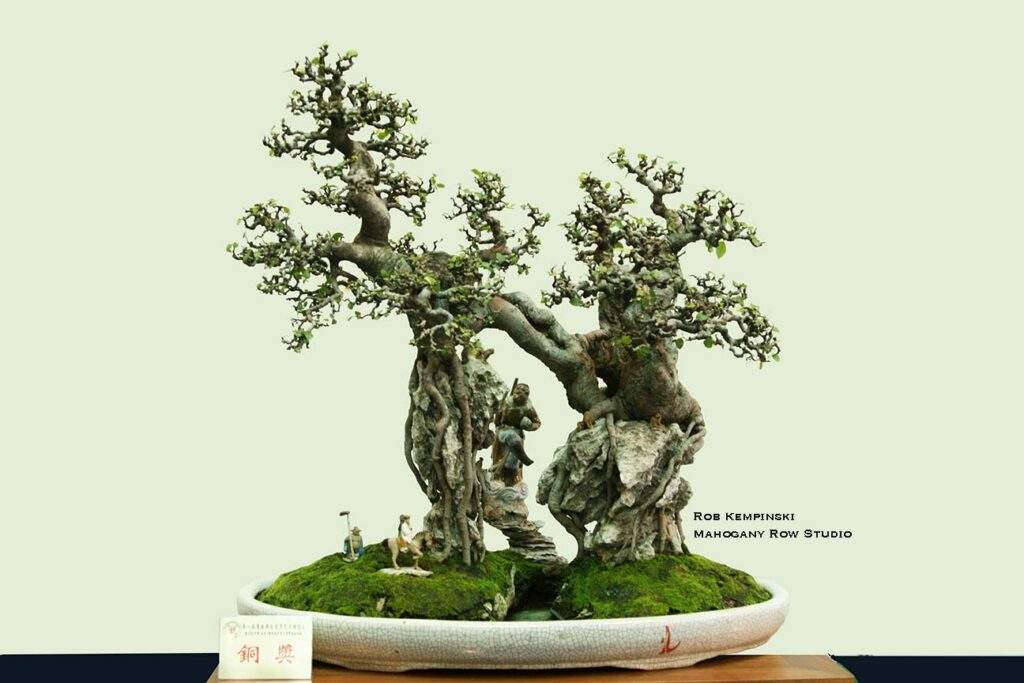
The Bridge Style – This configuration could be thought of as a subset of the raft or root-connected style. What differentiates the bridge is that a portion of the trunk lying on the ground is raised enough to create an air gap beneath it. I find this style very appealing—perhaps because I was a combat bridge builder when I served in the U.S. Army. This design could appear anywhere but seems more common in China, where it is called Qiao-xing (桥型). It falls under the broader category of Shanshui Penjing (山水盆景 – mountain and water) or Shuihan Penjing (水旱盆景 – water and land), emphasizing naturalistic and dramatic landscapes. It can also be presented as a stand-alone tree without a landscape setting. The foliage configuration may have trunks or branches that appear like separate trees, or it may present as one unified tree.
Hanger Branch Style
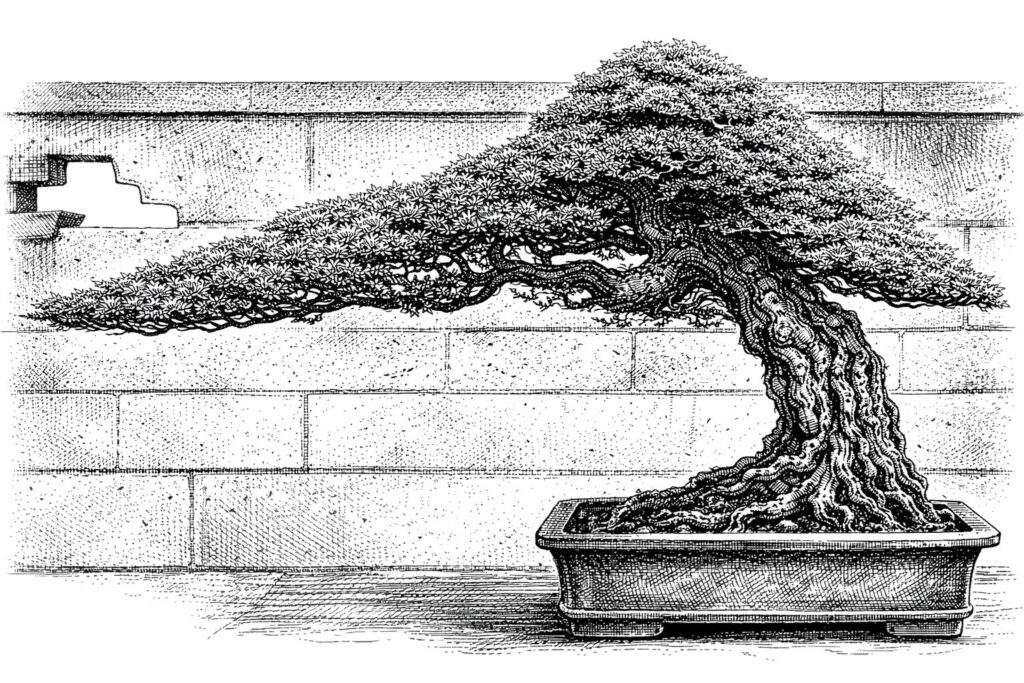
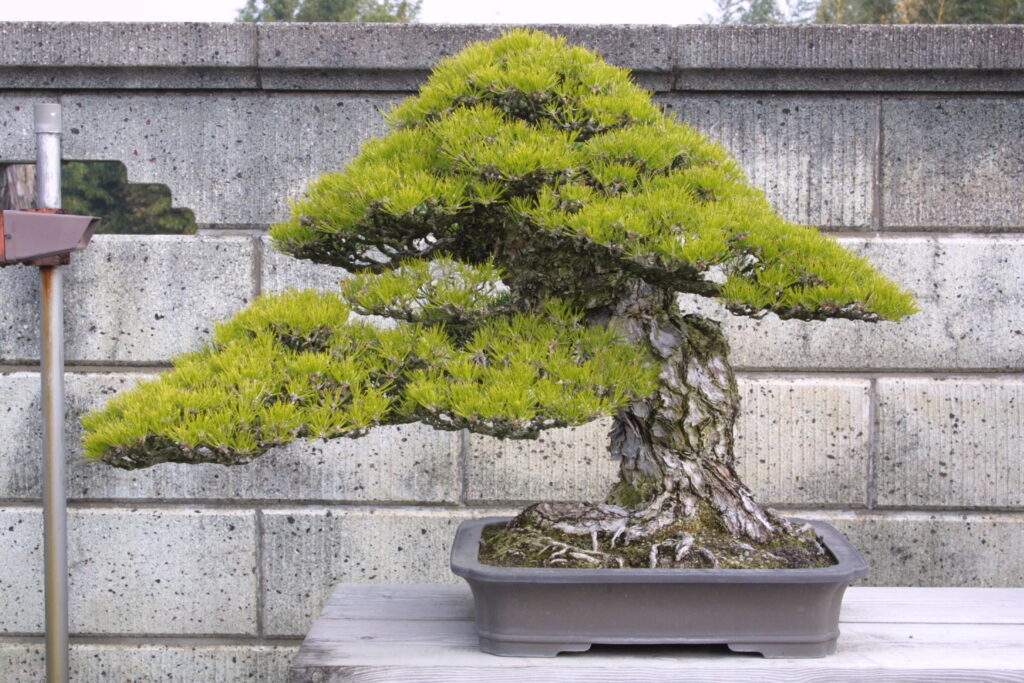
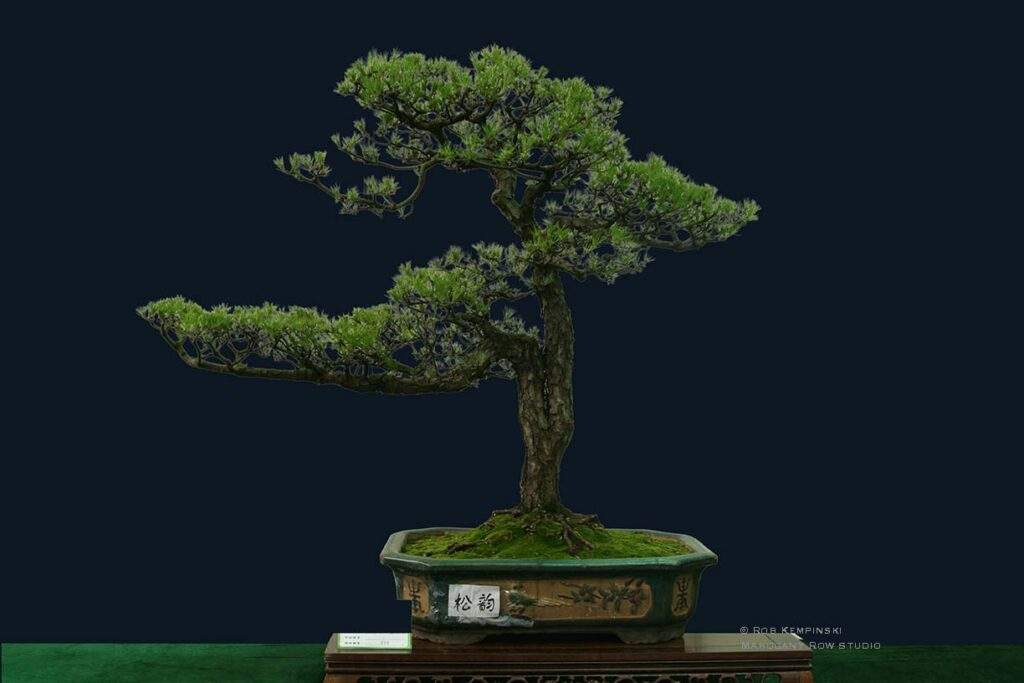
The Hanger Branch – When the first branch of a bonsai extends well beyond the trunk, reaching straight outward past the rim of the pot, it forms what I call the hanger style. The name comes from the idea that you could hang laundry from the branch to dry. It differs from the cascade style in that the extending branch never drops below the rim of the pot. It is not very common—perhaps because the extending branch is almost a parody of itself. I did notice several examples when I visited the pine fields of Shikoku Island in Japan. In particular, there was one Japanese Black Pine growing in the ground where the first branch covered probably a fifth of an acre, supported in places by vertical logs. The extending branch makes such a bold statement that I find the design intriguing. I am currently growing a Vietnamese Blue Bell in this configuration, but it’s not ready to be shared yet.
Swan Style
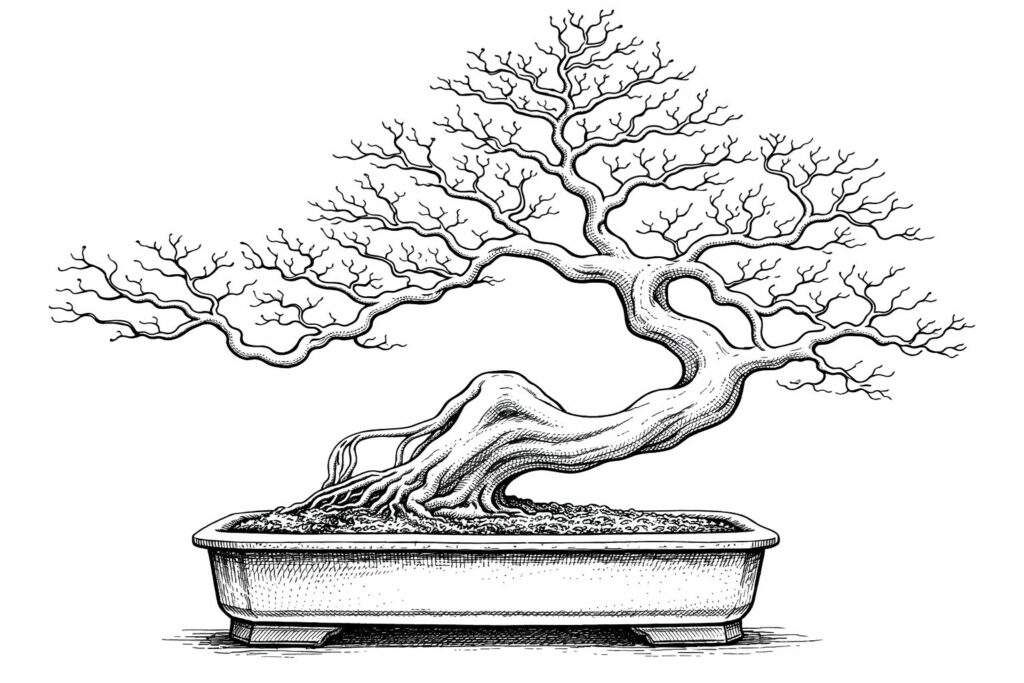
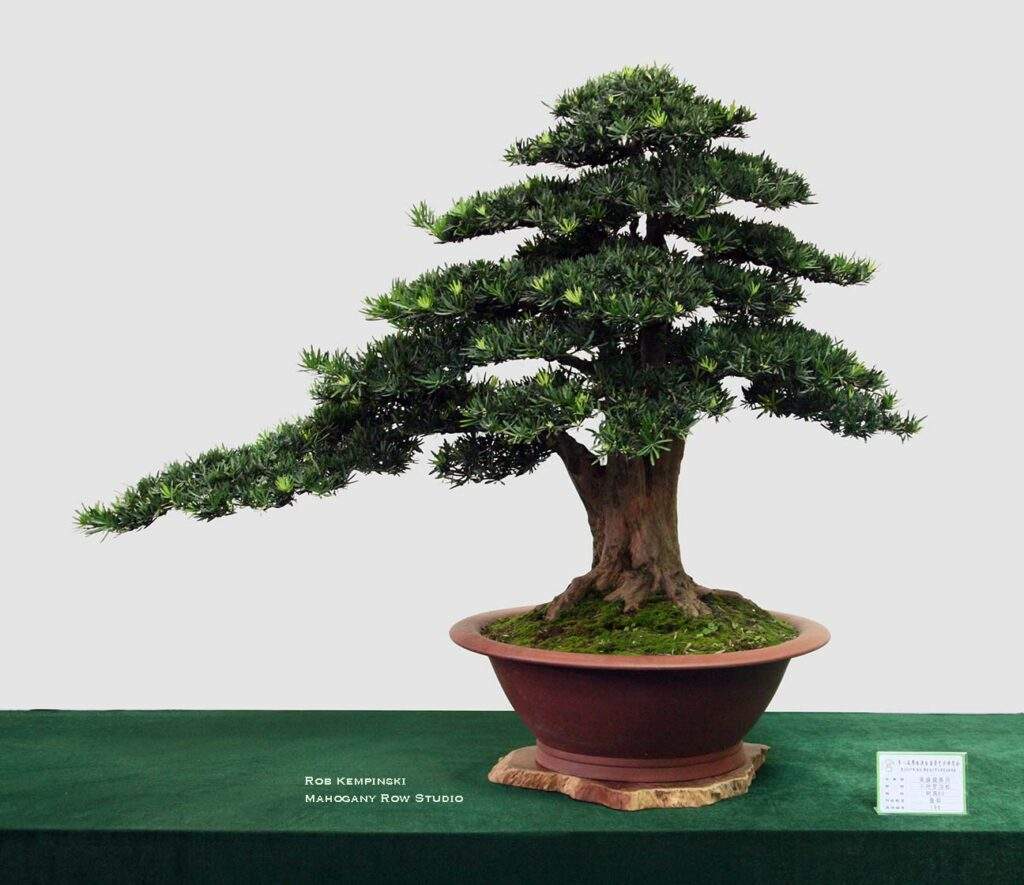
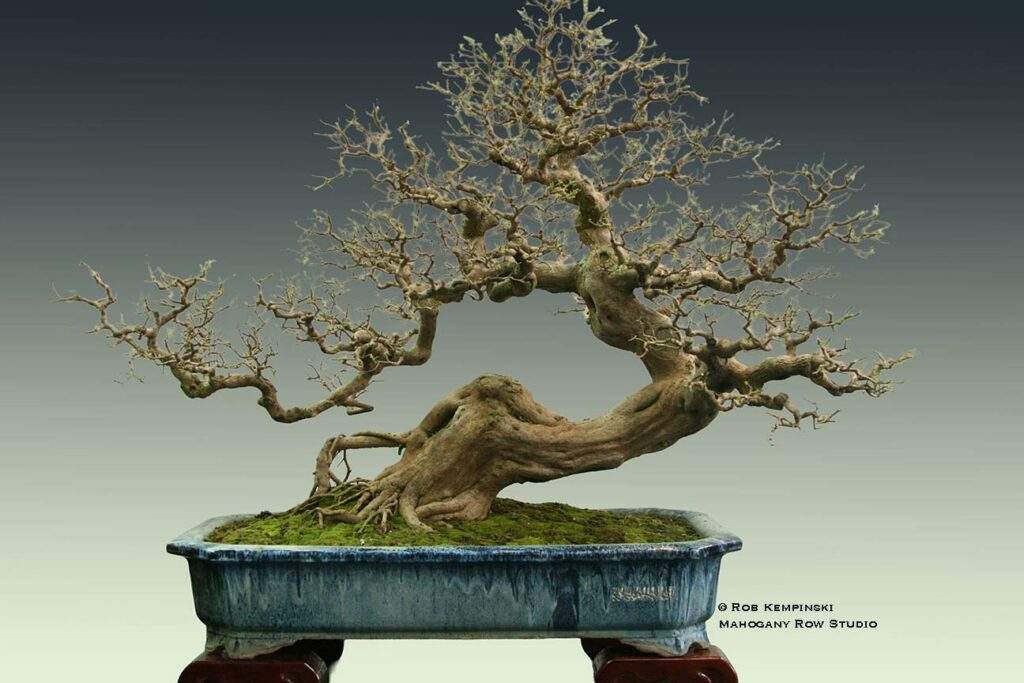
The Swan Style – In Chinese penjing, particularly within the Lingnan school of southern China, the swan style is referred to as tiān’é shì (天鹅式), which translates directly to “swan style” or “swan shape.” This design is characterized by a long, elegant, curved trunk that mimics the neck and body of a swan. The root mass—or the portion of trunk lying along the ground—can represent the body, while the curved trunk forms the graceful neck. This style might feature a “pigeon breast” curve, something usually avoided by bonsai artists but encouraged in this particular interpretation.
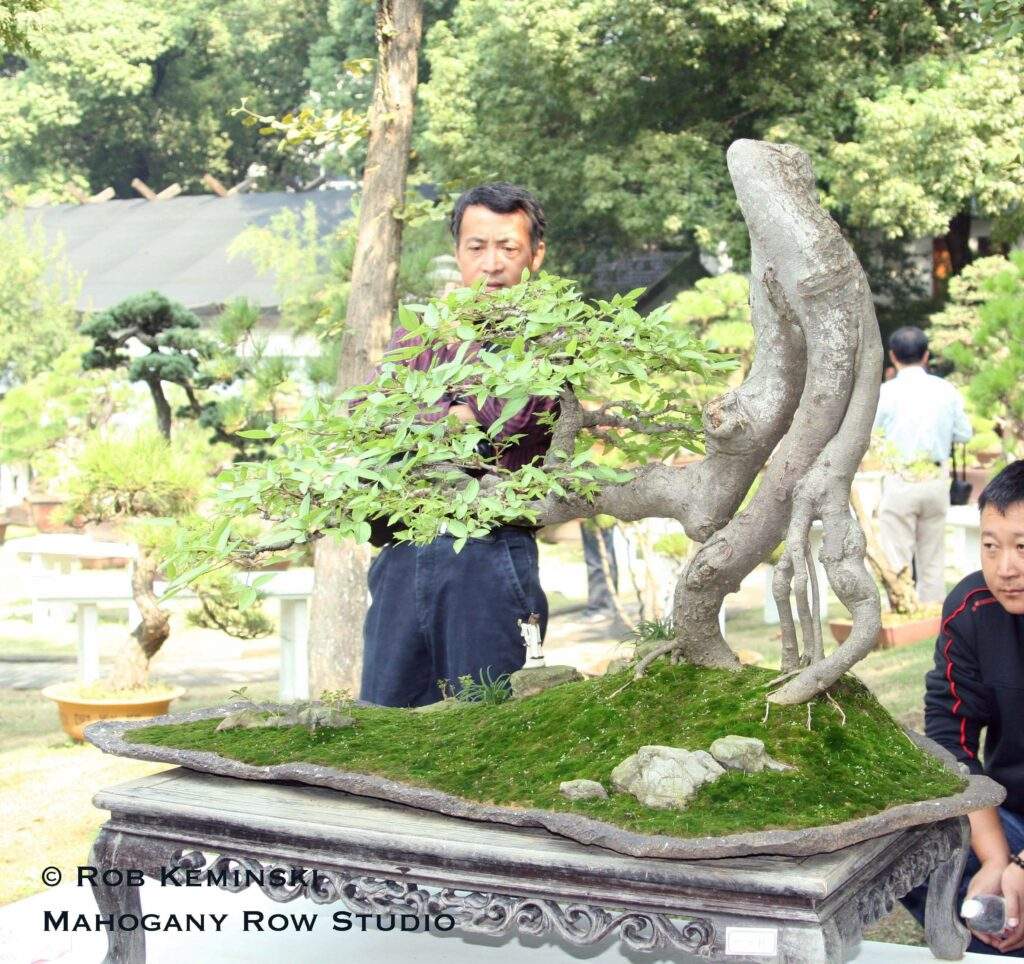
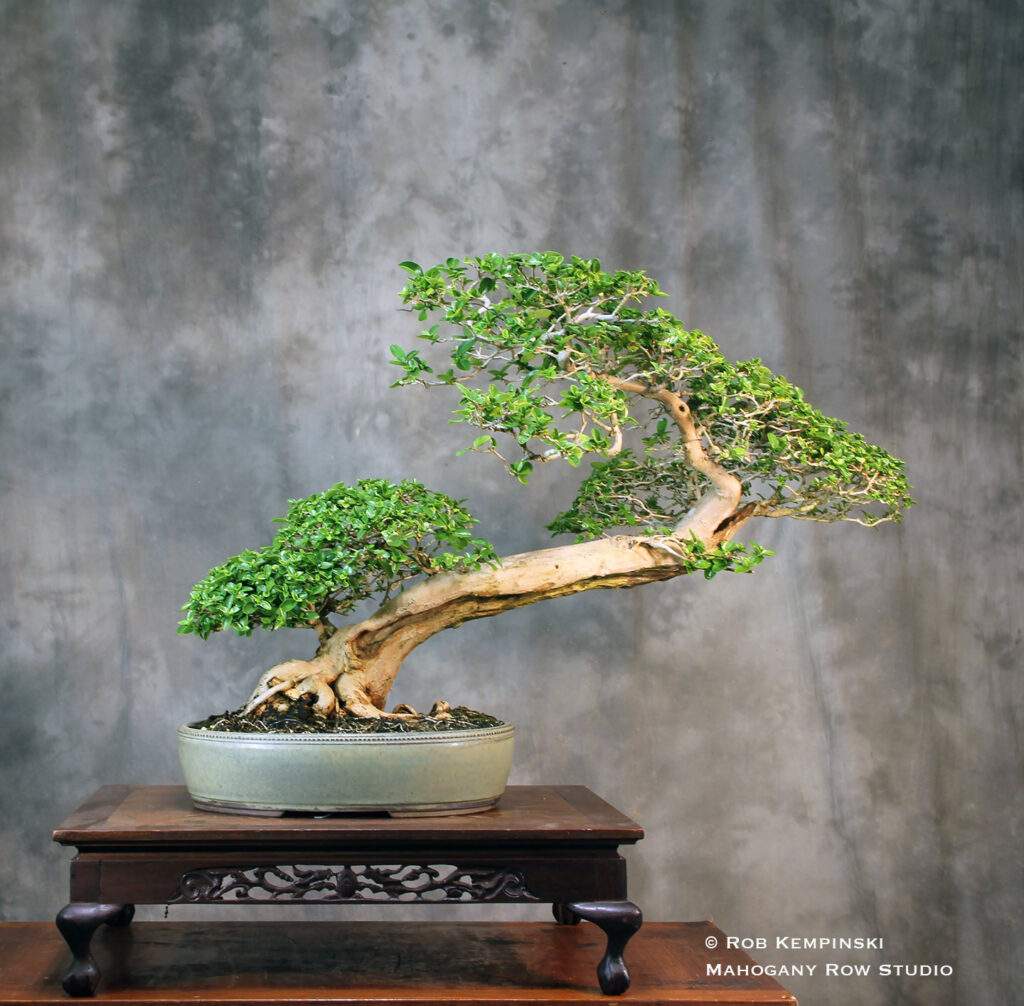
There are lots of other new styles– it really is a matter of executing one’s ultimate design goal. And don’t get too hung up on categorizing into a style. Just enjoy the designs and your creativity.